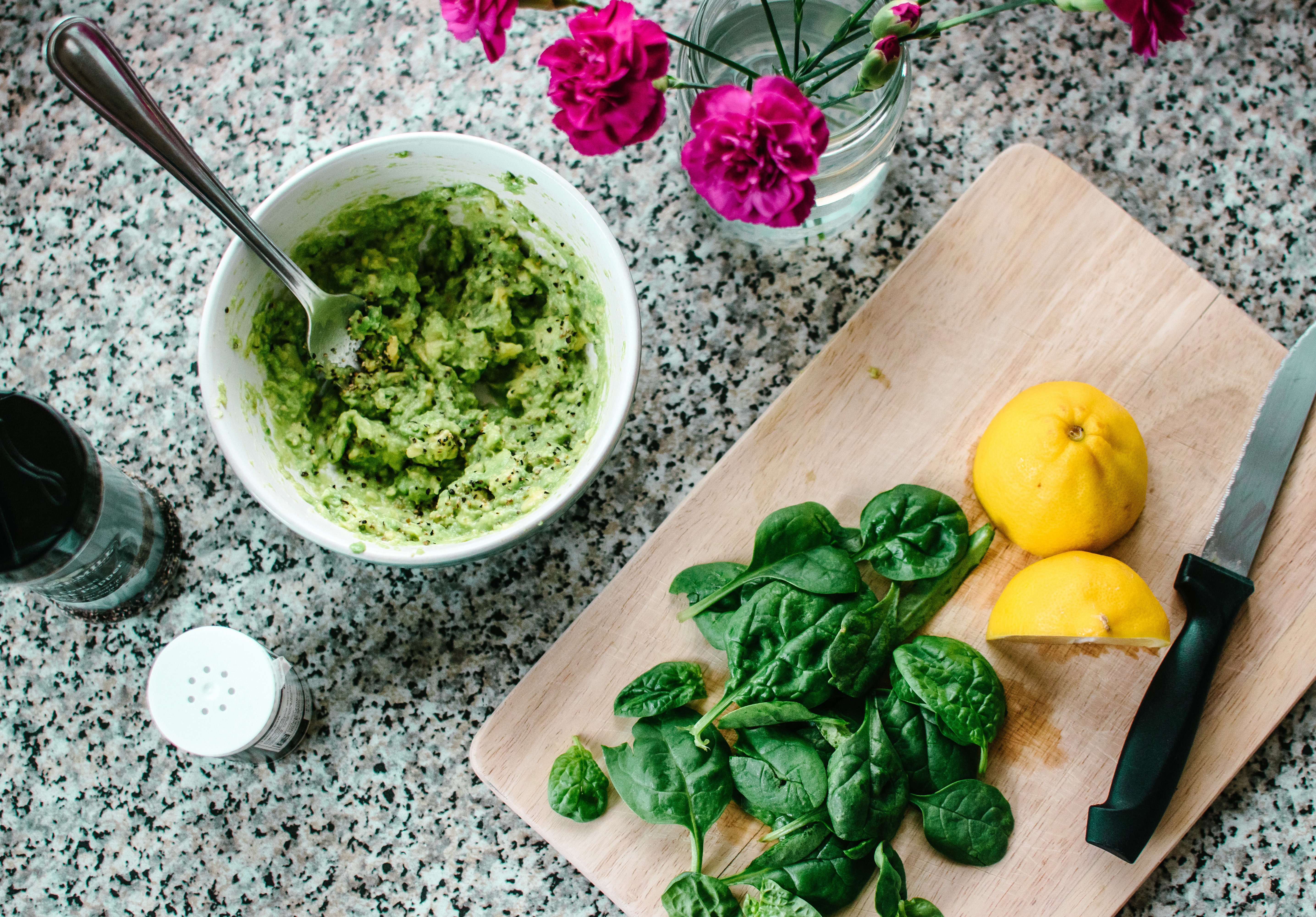
Spinach is a green leafy vegetable, scientifically known as Spinacia oleracea and belonging to the Amaranthaceae family.
With vitamins, nutrients and antioxidants, folic acid, calcium and iron in abundance, it comes with a number of health benefits, with regard to:
- Blood Pressure & Heart Healt
The high amounts of nitrates in spinach have been known to help moderate blood pressure levels and decrease the risk of heart disease.
Spinach is also recommended for persons with high blood pressure, as its high potassium content can counter the effects of high sodium levels in the body.
- Diabetes
Mitochondrial dysfunction is known to play a role in both diabetes and cardiovascular diseases. Researchers in Sweden have found that the nitrates in spinach can improve the efficiency of mitochondria by reducing the amount of oxygen needed to power the muscles.
Spinach contains alpha-lipoic acid, an antioxidant which is said to lower glucose levels, increase insulin sensitivity and prevent oxidative, stress-induced changes in diabetic patients.

- Cancer
Rich in carotenoids (lutein and zeaxanthin), spinach and other dark green leafy vegetables can effectively remove unstable molecules or free radicals from the body.
A study by NIH/AARP, carried out among 490,802 participants, found that those who ate more spinach were less likely to develop esophageal cancer. Some other studies suggest that the carotenoid content in spinach and other foods reduce the risk of mouth, stomach, ovarian, endometrial, lung and colorectal cancer as well.
- Asthma
The presence of antioxidant vitamins like Vitamin A, C and E in spinach are known to counter-attack free radicals and prevent the progression of asthma.
According to a study conducted among 433 children with asthma and 537 children without, it was proved that those who consumed more of these nutrients had a lower risk of developing asthma.
- Digestion
On one hand, the fibre in baby spinach may be relatively difficult for the body to break down, if poorly chewed before ingestion. On the other hand, spinach leaves in an individual’s stool adds bulk to it and can make it easier for waste to pass through the digestive tract.
In this way, spinach helps normalise bowel movements, keeping it healthy and free from complications such haemorrhoids (piles) and diverticulitis.
References
- https://www.sciencedirect.com/science/article/pii/S0271531715001359
- https://www.diabetesselfmanagement.com/blog/another-reason-to-eat-your-spinach/
- https://www.medicalnewstoday.com/articles/270609.php
- https://www.ncbi.nlm.nih.gov/pubmed/17691111
- https://www.webmd.com/cancer/features/seven-easy-to-find-foods-that-may-help-fight-cancer
- https://www.ncbi.nlm.nih.gov/pubmed/17311877
- https://healthyeating.sfgate.com/baby-spinach-good-digestion-5338.html