What is corona virus disease (COVID-19)? And things you need to know about this virus
Coronavirus disease (COVID-19) is a recently discovered coronavirus-caused infectious disease. It was first reported to the WHO on December 31, 2019. SARS-CoV-2 disease (Severe acute respiratory syndrome) was recently referred to as COVID-19 by the WHO, the latest acronym for coronavirus disease 2019.
Most people infected with the COVID-19 virus will experience mild to moderate respiratory disease and recover without any special treatment being needed. Older people and those with underlying health conditions such as cardiovascular disease, diabetes, chronic respiratory disease and cancer are more likely to experience serious illness.
How corona virus spreads?
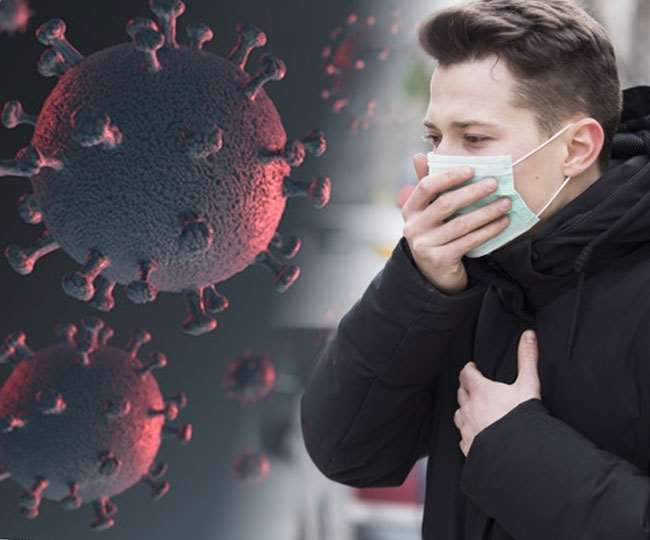
Transmission from coughing and sneezing is believed to occur through respiratory droplets of the infected person.
A person might be able to get COVID-19 by touching a surface or object that has the virus on it, and then touching their own mouth, nose, or probably eyes, but this is not thought to be the primary way the virus spreads.
Symptoms
Common symptoms include:
- Fever
- Tiredness
- Dry cough
Other symptoms include:
- Shortness of breath
- Aches and pains
- Sore throat
- And rarely diarrhea, nausea or a runny nose.
Diagnosis
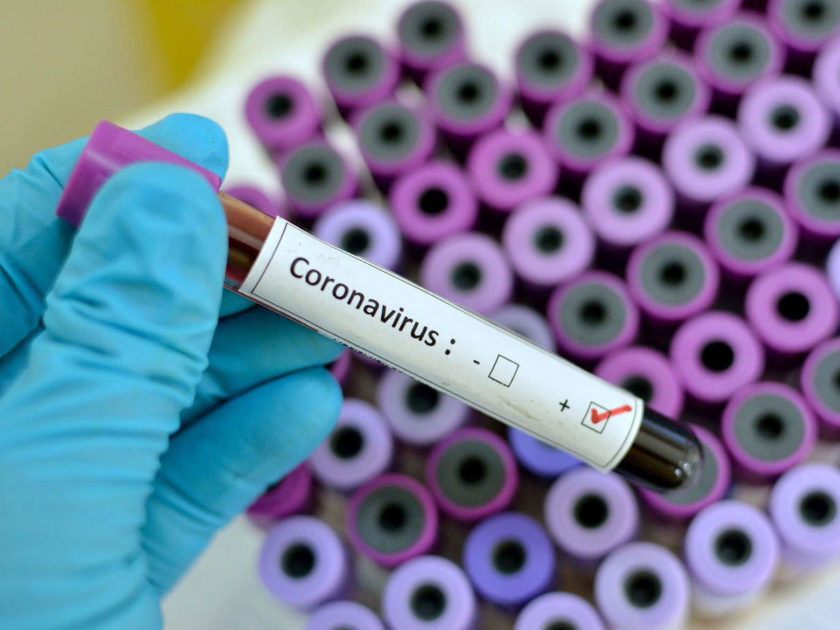
Currently, the widely used technique for corona virus detection is RT-PCR (reverse transcription polymerase chain reaction) for COVID – 19, it is a real time qualitative test used for detecting the presence of corona virus genetic material collected from areas of the body, such as a person’s nose or mouth, where coronavirus gathers.
Treatment
No specific antiviral treatment is recommended for COVID-19. . Infected patients should receive medical treatment to help in symptom relief. In extreme cases the function of vital organs should be protected.
Numerous efforts have arisen to recognize and assess the efficacy of antivirals (e.g., remdesivir), immunotherapies (e.g., hydroxychloroquine, sarilumab), monoclonal antibodies, and vaccines.