If you have been diagnosed with Chronic Kidney Disease (CKD), it means that your kidneys are losing their efficiency in filtering out waste from your body.
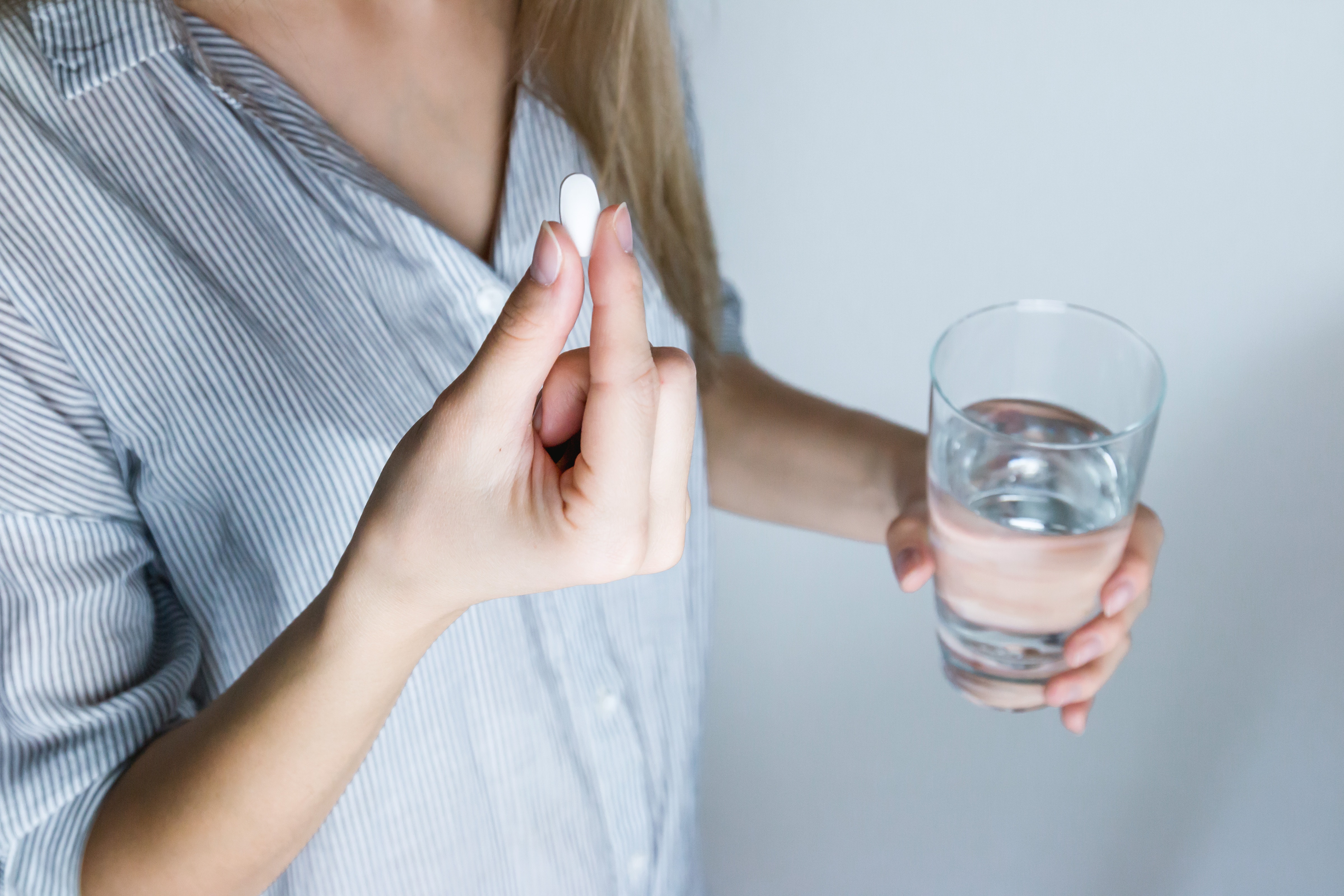
The first and most important thing to keep in mind is to never miss the medications that have been prescribed to you. Depending on your overall health and the level of kidney damage, you may have to take medicines to lower your BP, control your glucose, lower your cholesterol level, etc. You may also have to take a diuretic (also known as a water pill).
In addition to taking your medications as prescribed, there are a few healthy lifestyle changes that you can make in order to manage your CKD and protect your kidneys from further damage.
Avoid Over-the-Counter Medication
Avoid self medication for headaches, pain, fever, common colds and pain relievers without consulting with your doctor first.
This is because these anti-inflammatory drugs may contain chemicals that can lead to acute kidney injury in persons with CKD, diabetes and high BP.
Control your Blood Pressure
High blood pressure can damage your kidneys, so keeping your BP under check can go a long way to protect your kidneys.
Usually, doctor’s recommend a value less than 140/90 mm Hg as the ideal BP goal.
Maintain your Glucose Level (if you are diabetic)
Ask your doctor how often you should check your blood glucose level, and keep monitoring it accordingly.
Based on each test result, you can make changes to your food, physical activity and medications to make sure it goes not go overboard.
Stop Smoking
Why add toxins into your body when your body is struggling to get rid of the toxins that are already in it?
Kick the butt and watch your blood pressure normalise, improving the condition of your kidney.
Develop good dietary habits
Working with a dietitian to develop a meal plan is the best way to go about the process.
Avoid or limit food containing electrolytes like sodium (table salt, packaged foods), potassium (bananas, potatoes, avocados, melons) and phosphorus (meats, poultry, fish, nuts, beans, dairy), because your kidneys will find it difficult to filter them out.

Get enough sleep
A good night’s sleep is as important as a good diet and can help you meet your blood pressure and blood glucose goals.
Getting 7 to 8 hours of sleep each night is also essential for holistic well-being.
Get Rid of Stress
Stress can have detrimental effects to both physical and mental health.
Find out what helps reduce your stress – listening to music, focusing on something calm or peaceful, meditating, sleeping – and use it as a coping mechanism!
Make physical activity part of your routine
We say this over and over again – only because it is so important!
Being active for 30 minutes or more a day, at least on 5 days a week can help you manage your weight, reduce your stress levels and maintain your blood pressure and glucose levels.
References