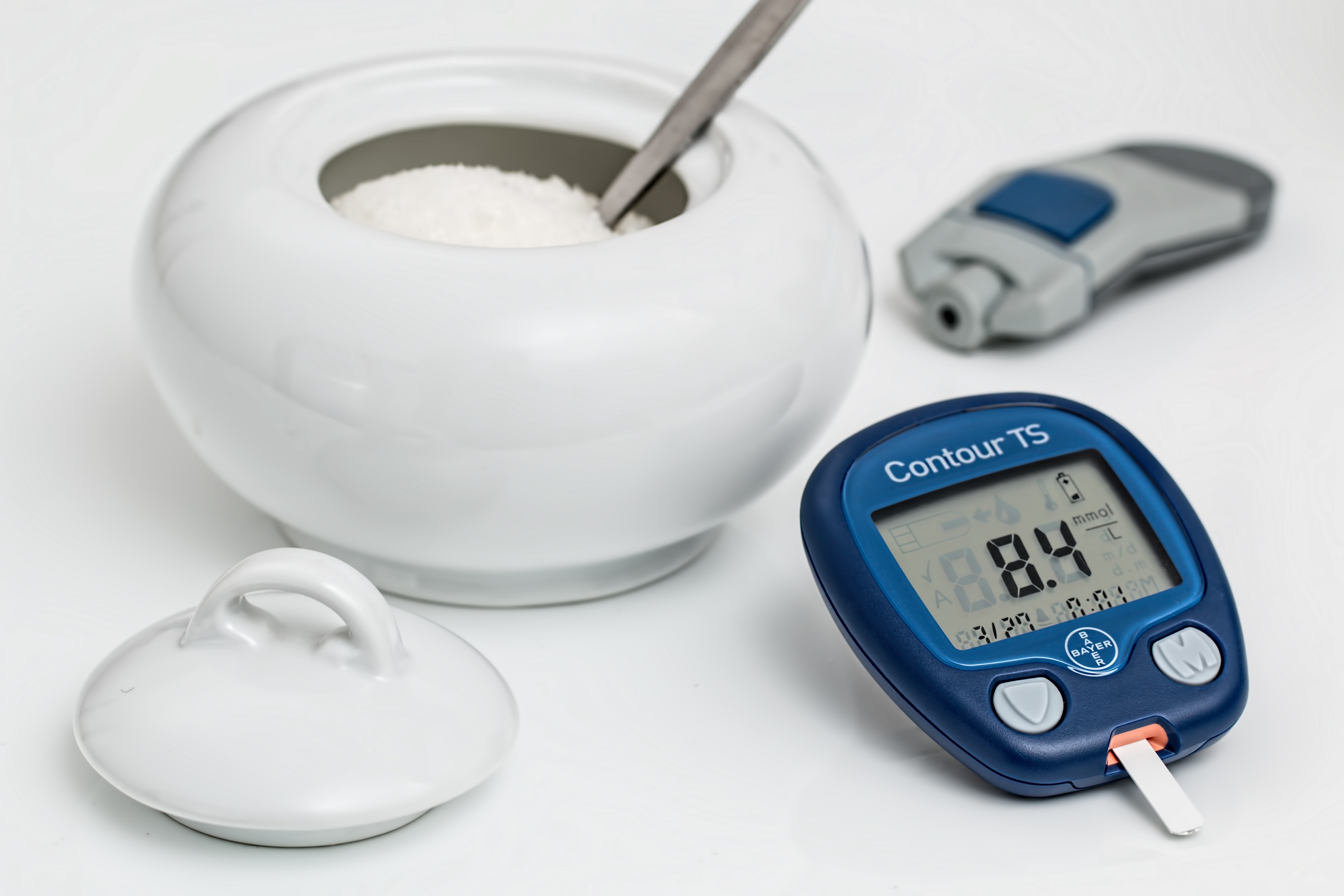
Anyone who experiences the symptoms of diabetes should be tested for the disease so that, if diagnosed, it can be kept in control and within limits to prevent complications.
The most common and telling symptoms of diabetes are:
- Polyuria – frequent need to urinate
- Polyphagia – increased thirst
- Polydipsia – increased hunger
Even if you do not experience any of these symptoms, if you have any related risk factors (including obesity, heart disease, a family history of diabetes to name a few), it is best to have yourself tested once you reach the age of 45.
Medical Tests for Diabetes Diagnosis
- Hemoglobin A1C test: This test measures the amount of sugar that has adhered to red blood cells (RBC). And as RBCs have a lifespan of 120 days, this test helps determine how high the body’s blood sugar level has been in recent months.
- Fasting blood sugar: This early morning blood sugar test is used to determine blood sugar level after a night of fasting.
- Two-hour postprandial test: This blood test is conducted two hours after a meal. The normal test result for such a test should be between 70 and 145 mg/dL.
- Random blood sugar test: Irrespective of when you have had your last meal, your blood sugar level needs to be between 70 and 125 mg/dL. A random blood sugar test is used to test this.
- Oral glucose-tolerance test: This is generally performed during a woman’s pregnancy to find out how efficiently the body is able to handle the overdose of sugar. Repeated blood tests are conducted before and after the person is made to drink a glucose syrup – between 30 to 60 minute intervals, for up to three hours.
- Urine test: Although not commonly used anymore, a urine test that is part of your routine checkup can identify the presence of glucose and ketones present in urine. This, in turn, indicates the body’s inability to produce enough insulin.
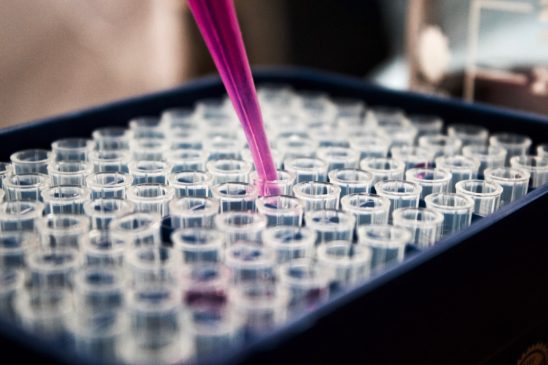
Once any of the above tests confirm that a person is diabetic, any of the following tests may be conducted as a follow-up to find out whether it is Type 1 or Type 2 diabetes:
- C-Peptide
- Insulin Autoantibodies (IAA)
- Islet Cell Cytoplasmic Autoantibodies (ICA)
If the test results are negative and show no sign of diabetes, you still have time to keep diabetes out of the way – we recommend you to follow these 8 Ways to Prevent Diabetes.