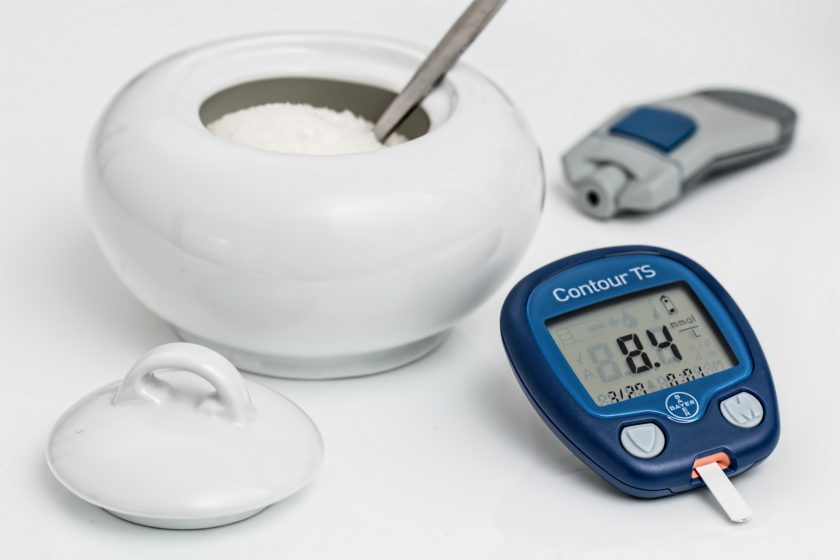
Diabetes mellitus, commonly known as diabetes (or Type 2 Diabetes), is a metabolic disease that causes high blood sugar. If not managed properly, diabetes can damage the nerves, eyes, kidneys, and other organs.
Even if you are not yet diabetic but have been warned due to pre-diabetic symptoms, remember that your diet plays an important role in maintaining your health. It is also advised that those with diabetes avoid large meals (that may shoot up blood sugar levels suddenly) and take smaller meals throughout the day in order to keep the blood sugar levels steady.
Use this article as a basic guideline, but do consult with your doctor or ask a dietitian to help you with a more precise meal plan.
- White Rice
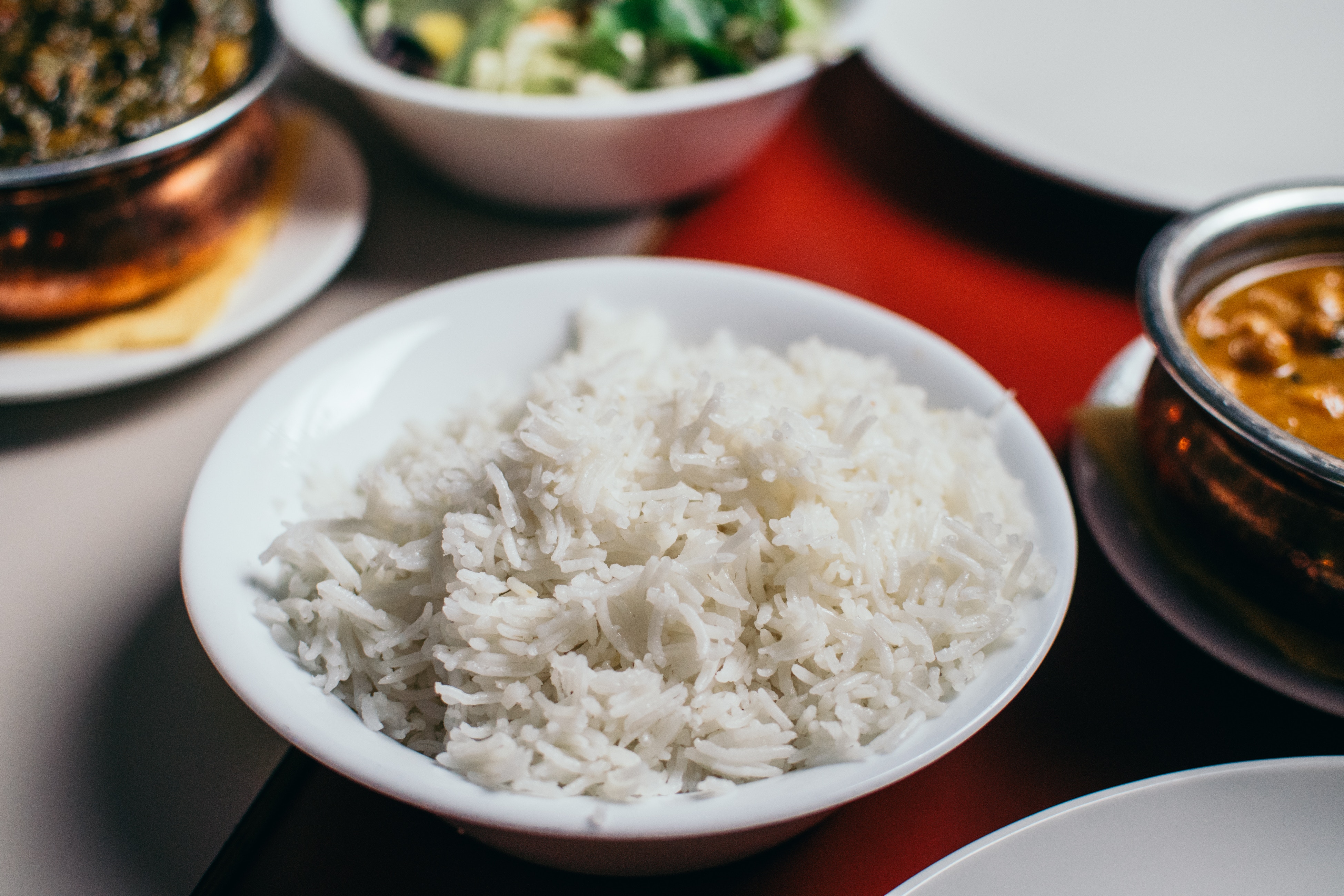
Rice is a staple part of most South Asian cuisines, but a study published in the British Medical Journal suggests that people who eat white rice in large quantities are at a risk of developing diabetes. As white rice grain is high in carbohydrates and can increase your blood sugar level rapidly, it is best if consumption of rice is not too frequent and not in large portions.
Opt for grains like millet and barley that have a low GI score or basmati rice and brown rice that have moderate GI scores and consume them in moderation.
- Sugary Beverages
It is recommended by the American Diabetes Association that sweetened beverages including soda, fruit punch, energy/sports drinks, sweet tea and fruit drinks be avoided as they considerably raise the level of glucose in the body, contributing hundreds of calories in just one serving. For instance, a 12-ounce can of regular soda contains almost 150 calories and 40 grams of carbohydrate, an equivalent (carbohydrate) amount that is found in ten teaspoons of sugar!
- Dried Fruits & Fruit Juice
Dried fruits are naturally higher in sugar (per gram) than other forms of fruit as the drying process results in a loss of water that leads to a higher concentration of nutrients and sugar.
Research studies indicate that the regular consumption of fruit juice may also increase the risk of Type 2 diabetes, especially because they contain sugar and are easily absorbed by the body in the liquid form.
- Honey, syrups and alternative forms of sugar
People with diabetes often try to minimise their intake of white table sugar (1 tablespoon contains 12.6 grams of carb), candy, cookies and cakes.
However, contrary to popular belief, brown sugar and other sweeteners termed as “natural” sugars also contain large quantities of carbohydrates in them. For example, one tablespoon of honey contains 17 grams of carbohydrates while agave nectar and maple syrup contain 16 grams and 13 grams, respectively for the same quantity.
References